Wednesday, 6 October 2010

Disapproving Chickens


And what are you doing in my house?

Tuesday, 5 October 2010

Bird's Nest

Every trip to feed the chickens turns into a nature walk. Last weekend, I found a bird's nest below the old pine tree. It was beautifully made from twigs and flax and lichen. And it was full of woodlice.


When I picked it up, I was amazed to find that the floor of the nest was smooth like plywood.


And under the gum tree just down the hill, I found a bright blue egg shell. This is the colour that J wants for our kitchen cabinets. We'll see.

Monday, 4 October 2010

Iris

The same gardening friend who named our sparaxis for us, also supplied me with some other bulbs - two varieties of iris - virginica and louisiana.

Here are the louisiana bulbs that I've planted by the chicken coop. The branches are designed to deter the hens from scratching near the newly planted bulbs.


When I planted these, I also found some other bulbs flowering nearby. The only problem is that I now need to find a name for those.

Sunday, 3 October 2010

Swan plant

I picked up a swan plant from some members of the Monarch Butterfly NZ Trust last weekend. This is the best possible plant for attracting the big orange and black butterflies and then feeding their offspring before they turn into a chrysalis.


I've planted it on the edge of a patch of bush, in full sun, and will be looking out for big hairy caterpillars. But first I have to look for eggs. And if I find too many eggs on a leaf I have to squish them apparently so that the plant isn't devoured by ravenous caterpillars.

Saturday, 2 October 2010

Red, white and blue


The bulbs are blooming under the coral tree. I've finally found out the name of the red star-shaped flower - sparaxis. The others are freeshias (blue) and harebells (white).

Sunday, 26 September 2010

Community Spirit

Each Ni-Vanuatu village is overseen by a chief. The chief inherits his title but not any real property as the land is communally owned. He is well-respected and has an important role settling disputes and dishing up customary justice.

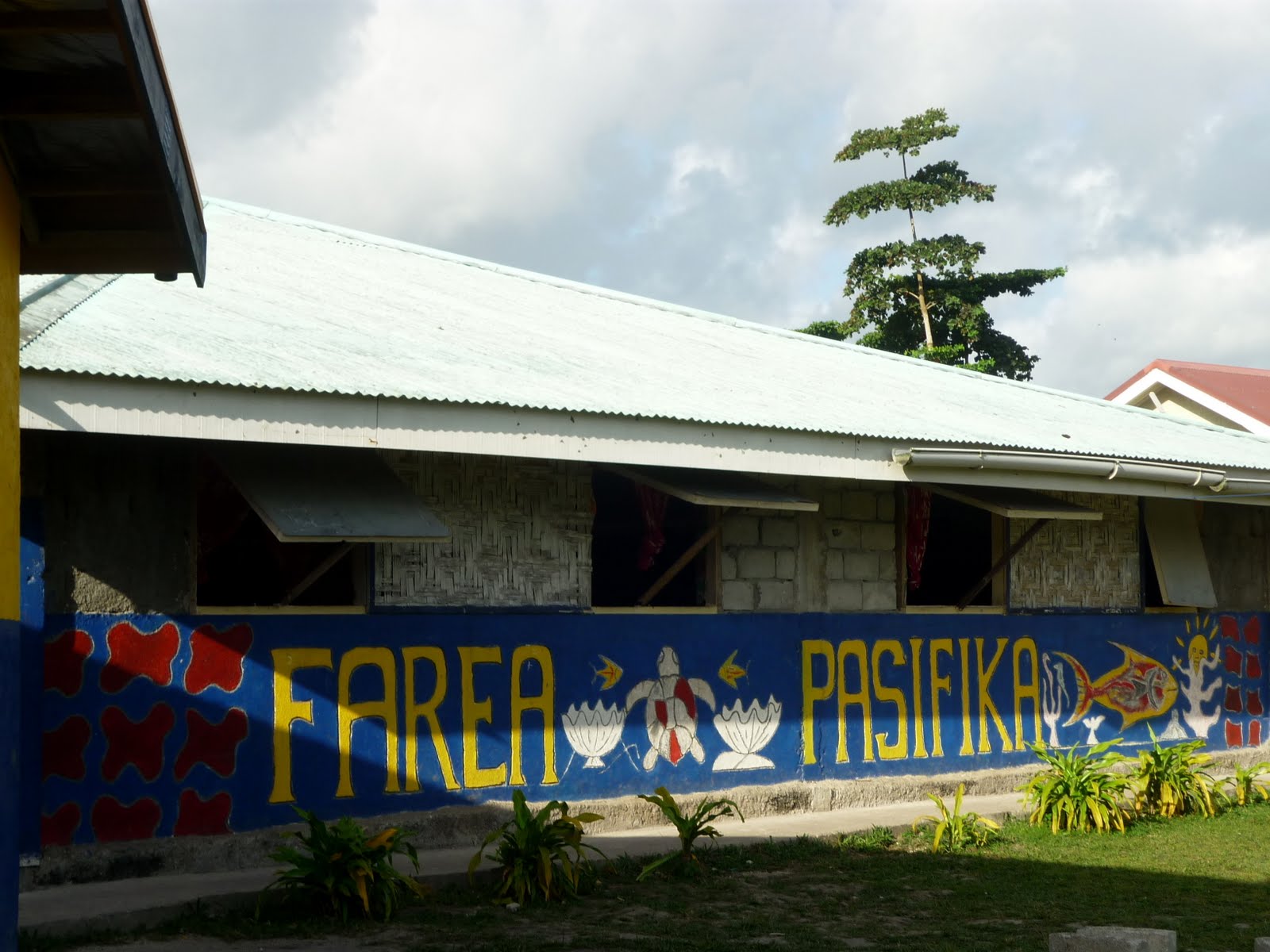
This is the chief's office in Mele Village.


The village is largely self-sufficient though some residents own small businesses such as a tour company or a bus. The women are in charge of collecting money to pay for the municipal water and electricity supplies - the men had been responsible for this but no-one knew where the money went and so the women took control!

The women also seemed to be responsible for running a community facility in the school buildings. It was the holidays whilst we were visiting and a church conference had taken up residence for the week.

Saturday, 25 September 2010

Home Sweet Home

The coconut tree is also used as a building material with the timber providing the framework of most traditional Ni-Vanuatu buildings.


The walls and roofs are made with banana leaves stitched together with bamboo and dipped in something smelly to deter insects.


Each family has two houses - a sleeping house and a cooking house where meals are made over an open fire. From our trip around Mele village, it seemed as though most families spent the rest of the time outdoors, often in a shady area during the afternoon, playing cards or entertaining the children after school.


We were told that the houses last for around 10 years - though a cyclone might cause real damage. But that doesn't matter too much as it only takes a day or so with some friends to put up a new house.