Saturday, 2 October 2010

Red, white and blue


The bulbs are blooming under the coral tree. I've finally found out the name of the red star-shaped flower - sparaxis. The others are freeshias (blue) and harebells (white).

Sunday, 26 September 2010

Community Spirit

Each Ni-Vanuatu village is overseen by a chief. The chief inherits his title but not any real property as the land is communally owned. He is well-respected and has an important role settling disputes and dishing up customary justice.

This is the chief's office in Mele Village.


The village is largely self-sufficient though some residents own small businesses such as a tour company or a bus. The women are in charge of collecting money to pay for the municipal water and electricity supplies - the men had been responsible for this but no-one knew where the money went and so the women took control!

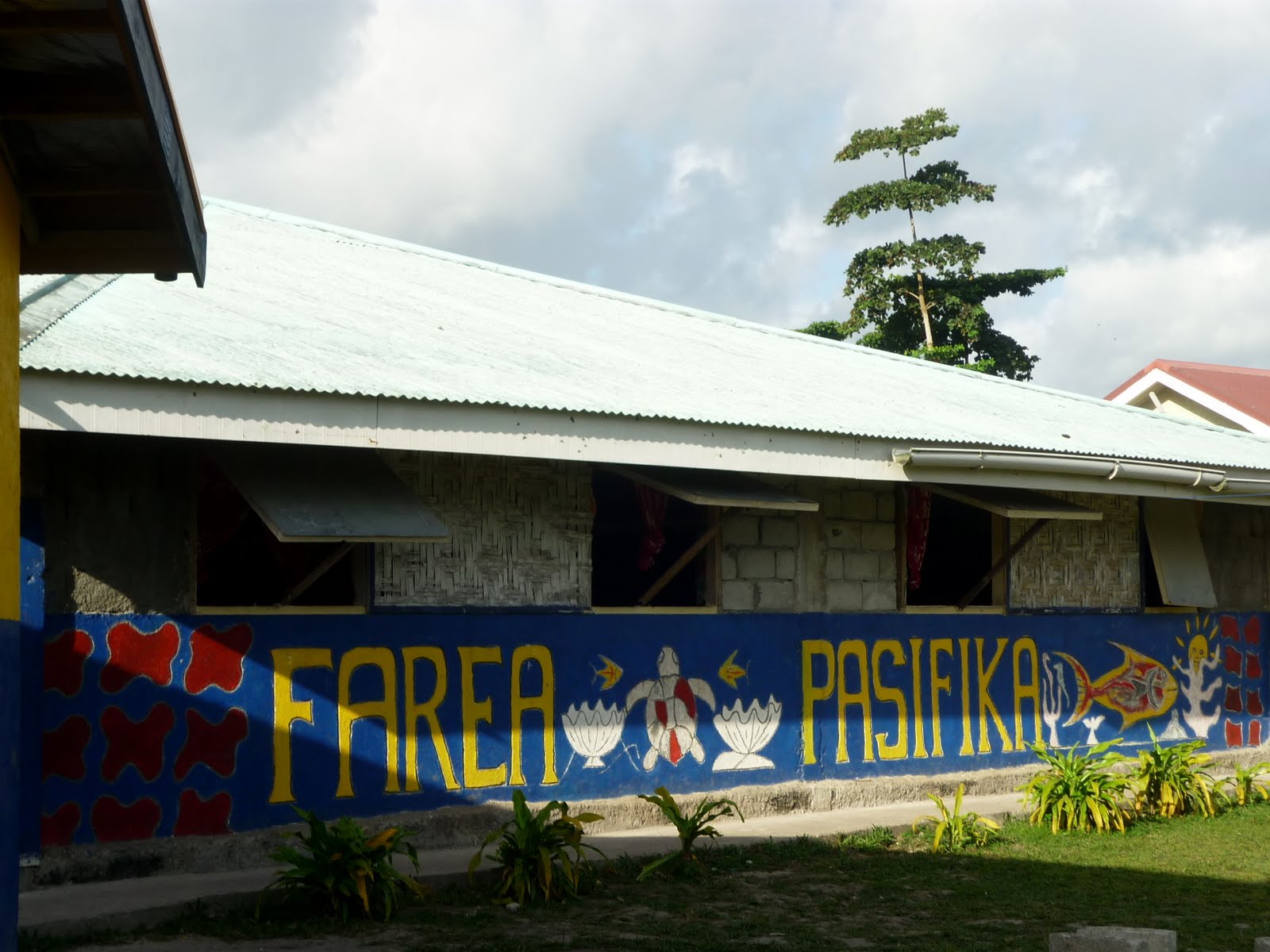
The women also seemed to be responsible for running a community facility in the school buildings. It was the holidays whilst we were visiting and a church conference had taken up residence for the week.

Saturday, 25 September 2010

Home Sweet Home

The coconut tree is also used as a building material with the timber providing the framework of most traditional Ni-Vanuatu buildings.


The walls and roofs are made with banana leaves stitched together with bamboo and dipped in something smelly to deter insects.


Each family has two houses - a sleeping house and a cooking house where meals are made over an open fire. From our trip around Mele village, it seemed as though most families spent the rest of the time outdoors, often in a shady area during the afternoon, playing cards or entertaining the children after school.


We were told that the houses last for around 10 years - though a cyclone might cause real damage. But that doesn't matter too much as it only takes a day or so with some friends to put up a new house.

Friday, 24 September 2010

The Mother Tree


Coconut trees are known as "the mother tree" in Vanuatu, providing endless useful products from milk and cream and leaves for mats, hats and baskets to fibre for rope.


The coconuts also seem to make good chicken feed...

Thursday, 23 September 2010

Evening catch


Sadly the Mele villagers have had to lease a lot of their coastal land to developers who are building subdivisions for tourists. They still have access to the beach for fishing though and, whilst we were visiting, the sardines were passing through.

Wednesday, 22 September 2010

Pacific Pigs

Pigs are an important part of Ni-Vanuatu culture. Pigs are used to pay bride prices, to settle disputes and to determine status within a community. Pigs with double circled tusks are particularly valuable and a tusk features on the Vanuatu flag.


The Mele villagers raise pigs to sell to city-dwellers who live too far away from their homes to find their own pigs for family celebrations. They also hunt for wild pigs in the hills in the centre of Efate so nearly every young man in the village has his own pig dog.

Tuesday, 21 September 2010

Fruit and Nut Bar

Our village host showed us some of the fruit and nuts that the villagers harvest throughout the year.

These nuts are said to resemble macadamias...


And these miniature bananas are used in curries, salads and breakfast platters...


This was J's favourite fruit - soursop. It has spongy white flesh under the green spiky skin with big black seeds that need separating out.


Mele Village also has large vegetable gardens away from the main residential area. The villagers grow the vegetables for their own use but other villages transport their crops down to the main market in Port Vila in beautiful coconut leaf baskets.